The Science Behind Wireless Technology: How It Connects Us All
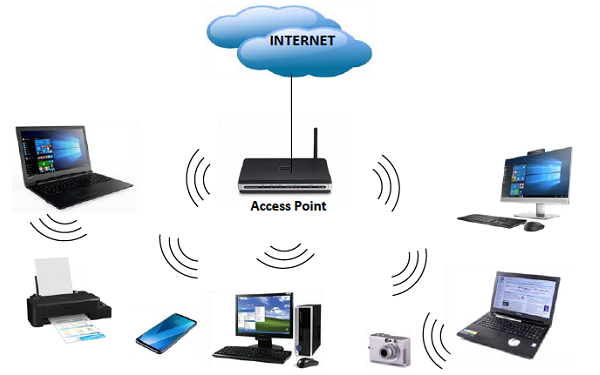
The Science Behind Wireless Technology has transformed the way we communicate and connect with one another. By utilizing electromagnetic waves to transmit data, wireless technology eliminates the need for physical connections, allowing devices to interact seamlessly over great distances. Central to this innovation are radio waves, which enable a variety of applications, including cellular networks, Wi-Fi, and Bluetooth. These technologies work together through a series of protocols that dictate how data is sent and received, ensuring that information can travel efficiently and securely from one device to another.
At the heart of wireless communication lies modulation, which is the process of varying a carrier signal to encode data. Various modulation techniques, such as Amplitude Modulation (AM) and Frequency Modulation (FM)antenna design and the deployment of 5G networks have further enhanced connectivity, enabling faster data transfer rates and the ability to connect multiple devices simultaneously. As we continue to develop new technologies, understanding the science behind these systems helps us appreciate how wired and wireless technology connects us all in an increasingly digital world.
Counter-Strike is a popular first-person shooter game that pits two teams against each other: the terrorists and the counter-terrorists. Players can choose various roles and tactics to achieve objectives, such as planting or defusing bombs. It has a competitive scene, and many players enhance their gaming experience with gadgets and tools, including Top 10 Android Phone Accessories that can improve performance and usability.
Exploring the Invisible Network: What Makes Wireless Communication Possible?
The concept of wireless communication may seem abstract, yet it is the backbone of our modern interconnected world. At its core, wireless communication relies on radio waves to transmit information from one device to another without requiring physical connections. These radio waves, which are part of the electromagnetic spectrum, are generated by devices such as routers and transmitters. When a signal is sent, it travels through the air, navigating obstacles and interference, before being picked up by a receiver. This intricate network is what enables our smartphones, laptops, and IoT devices to communicate seamlessly.
To understand what makes this invisible network function, it's crucial to recognize the role of various components:
- Transceivers: Devices that can both send and receive signals, acting as the bridge for communication.
- Protocols: Rules and standards, such as Wi-Fi and Bluetooth, that dictate how data is transmitted and received, ensuring compatibility and efficiency.
- Frequency Bands: Different ranges of frequencies that are allocated for specific types of communication, preventing interference between devices.
These elements work together harmoniously, allowing for the robust and reliable wired-less communication we often take for granted.
What Are the Advantages of Wireless Networks in Our Everyday Lives?
Wireless networks have revolutionized the way we communicate and access information in our daily lives. One of the primary advantages is the convenience they provide. With the ability to connect to the internet without the constraints of wires, individuals can work, learn, and socialize from virtually anywhere. Whether it’s at a coffee shop, a park, or the comfort of home, wireless technology allows for seamless connectivity. This flexibility not only enhances productivity but also enriches our personal experiences by enabling real-time communication and quick access to resources.
Another significant benefit of wireless networks is their scalability and ease of installation. Unlike traditional wired networks that require extensive infrastructure, setting up a wireless network typically involves minimal hardware and can be completed in a fraction of the time. This adaptability makes it particularly appealing for businesses and households alike, as they can easily expand their networks as needed. Furthermore, with the advancement of security protocols, modern wireless networks can provide a safe environment for users to navigate the internet and share sensitive information.