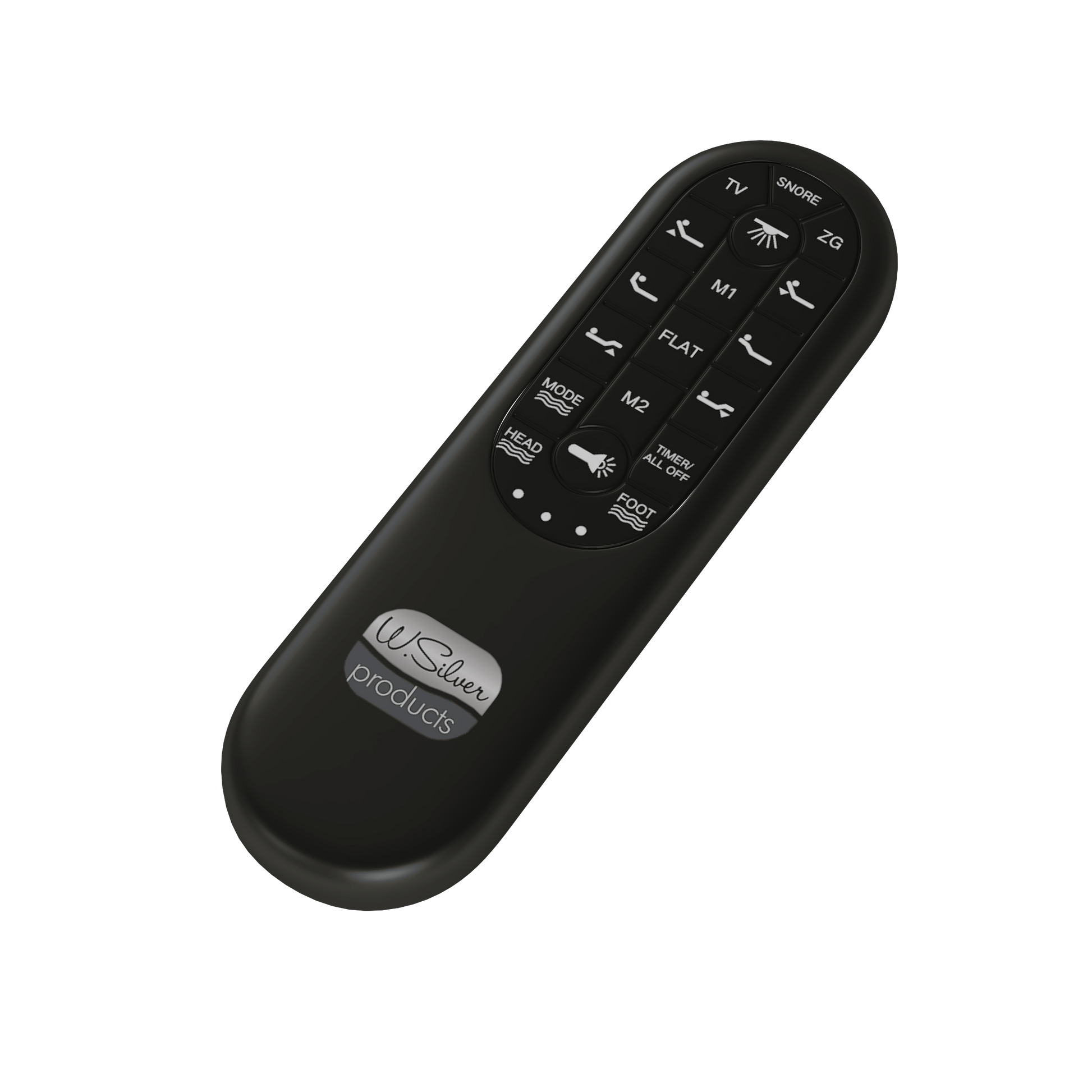
The Hidden Features of Your Remote Control: Unlocking Its Full Potential
Many people are aware of the basic functions of their remote control, such as changing channels and adjusting volume. However, remote controls often come with hidden features that can greatly enhance your viewing experience. For example, did you know that most remotes have a sleep timer? This feature allows you to set a specific time for your television to turn off, ensuring you never fall asleep while binge-watching your favorite show. Additionally, some remotes include shortcuts to streaming services, allowing you to access platforms like Netflix or Hulu with just the push of a button.
Another valuable feature to unlock is the programmable buttons on your remote. These buttons can be customized to perform specific actions or open specific apps, saving you time and effort. To program these buttons, refer to your remote's manual for step-by-step instructions. Moreover, if your remote has a voice control option, utilize this function to search for content, adjust settings, or even launch apps hands-free. By exploring these hidden features, you can truly unlock the full potential of your remote control and enhance your overall entertainment experience.
Counter-Strike is a popular tactical first-person shooter game that emphasizes team-based gameplay and strategy. Players can choose to be part of the terrorist or counter-terrorist faction, engaging in various objectives like bomb defusal or hostage rescue. For gamers looking to enhance their experience, check out the Top 10 apple tv remotes to find the perfect device for streaming and gaming.
Common Misconceptions About Remote Controls: What You Didn’t Know
When it comes to remote controls, there are several common misconceptions that can lead to misunderstandings about their functionality and limitations. One prevalent myth is that all remote controls have universal compatibility. In reality, while many devices may work with universal remotes, not all brands or models will. This can lead to frustration when users purchase a universal remote, expecting it to work seamlessly with every device in their home. Additionally, some people mistakenly believe that a remote control's range is determined solely by the device it operates, rather than by factors such as the batteries, obstacles in the environment, or even the angle at which the remote is aimed.
Another misconception is that remote controls are just simple devices with no advanced features. However, the reality is that many remotes today come equipped with a wide array of features including voice control, programmable buttons, and even touchscreens. According to a recent survey, consumers often underestimate the capabilities of modern remotes, believing them to be merely tools for switching channels or adjusting volume. To fully utilize a remote control's potential, it’s essential to read the manual and explore the numerous settings available. By debunking these myths, users can enhance their experience and make the most of their remote control technology.
Is Your Remote Control Actually Smart? Debunking the Myths
The term 'smart remote control' is often thrown around in household discussions, leading many consumers to assume that all remote controls equipped with some modern features qualify as smart devices. Is your remote control actually smart? To answer this, we need to dissect the features that categorize a remote as 'smart.' A true smart remote is capable of learning commands from various devices, integrating multiple technologies into one seamless interface, and often includes smart home compatibility. Misconceptions arise when users equate enhanced functionality with intelligence, neglecting the fundamental aspects of connectivity and control.
Another prevailing myth is that all smart remotes make your entertainment experience significantly better. While smart remote controls can simplify access to numerous streaming platforms and eliminate clutter, they are not a magic bullet for all issues. Reliability depends on factors such as the quality of the remote and its compatibility with the devices in your setup. Furthermore, not all smart remotes come equipped with voice control or automation capabilities, meaning users may still face limitations. Thus, it is essential to assess what 'smart' truly entails and how it applies to your remote control before jumping on the bandwagon.