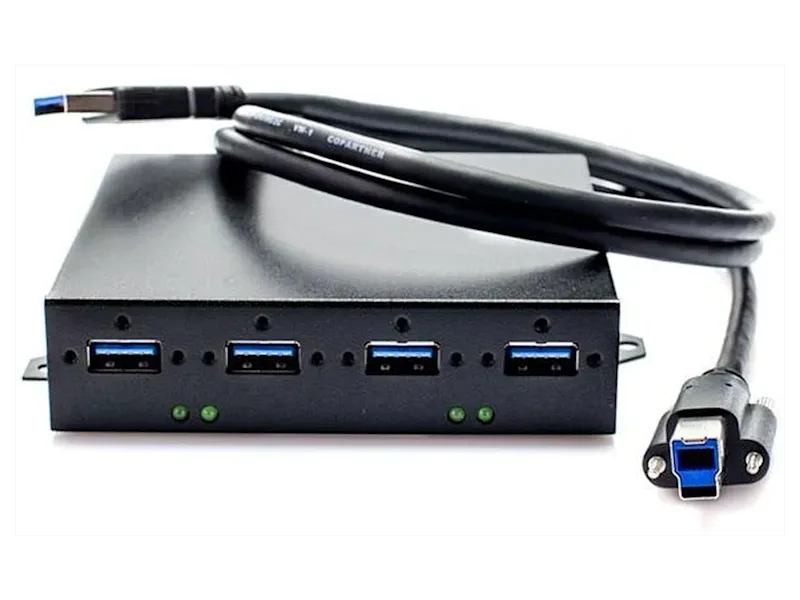
How a USB Hub Can Transform Your Tech Experience
In today's digital age, where connectivity drives productivity, a USB hub serves as an essential tool for anyone looking to maximize their tech experience. With an increasing number of devices relying on USB ports for power and data transfer, a USB hub expands your options by allowing you to connect multiple peripherals simultaneously. Whether you're a gamer needing extra ports for controllers and headsets, a musician connecting instruments, or a professional requiring numerous devices for presentations, a USB hub guarantees that you have everything you need at your fingertips.
Moreover, a USB hub enhances efficiency by streamlining your workspace. It helps reduce cable clutter and keeps your desk organized, making it easier to find and switch between devices. Many modern USB hubs come equipped with features such as fast charging capabilities, built-in card readers, and even wireless charging options. These additional functionalities not only increase convenience but also elevate your overall tech experience, allowing you to focus on the tasks that matter most without worrying about connectivity issues.
Counter-Strike is a popular tactical first-person shooter game that has captivated millions of players around the world. With its fast-paced gameplay, strategic team-based mechanics, and a variety of maps and game modes, it offers an exciting experience for both casual and competitive gamers. Many professionals leverage technology to enhance their gameplay experience; for instance, you might find useful information in our article on Top 10 iPad Accessories for Meetings, which could optimize your setup.
The Ultimate Guide to Choosing the Right USB Hub for Your Needs
Choosing the right USB hub is essential for optimizing your workspace and enhancing your productivity. With a plethora of options available, it can be overwhelming to select the perfect one for your needs. To streamline your decision-making process, consider the following factors: the number of ports you require, the types of devices you plan to connect, and whether you need USB-C compatibility. Additionally, assess the hub's data transfer speed, as some models may support USB 3.0 or even USB 3.1 for faster performance.
When exploring USB hubs, it’s crucial to understand the difference between powered and unpowered hubs. A powered hub can supply external power to devices, making it suitable for high-draw gadgets like external hard drives. In contrast, an unpowered hub may suffice for simpler devices such as mice or keyboards. Remember to read customer reviews and check for warranty information to ensure you are making a wise investment. By keeping these considerations in mind, you can make an informed choice that best fits your specific requirements.
What to Look for When Buying a USB Hub: Key Features Explained
When purchasing a USB hub, it's crucial to consider several key features that can enhance your connectivity experience. First, assess the number of ports available. Depending on your needs, a hub with multiple ports—typically ranging from 4 to 12—can provide sufficient connectivity for all your devices. Additionally, check for the types of USB ports offered; USB 3.0 and USB-C are preferable due to their faster data transfer rates and convenience. If you plan to use the hub for charging devices, ensure that it includes fast charging capabilities to support your gadgets efficiently.
Another important aspect to evaluate is the power supply options of the USB hub. Some hubs are bus-powered, drawing power from the connected device, while others come with an external power adapter for additional juice. A powered hub is typically recommended for high-power devices like external hard drives or multiple peripherals. Lastly, consider the build quality and design of the hub—durability and a compact design can significantly enhance user experience, especially if you're on the go. Always read reviews and check the warranty offered to ensure you're making a reliable investment.