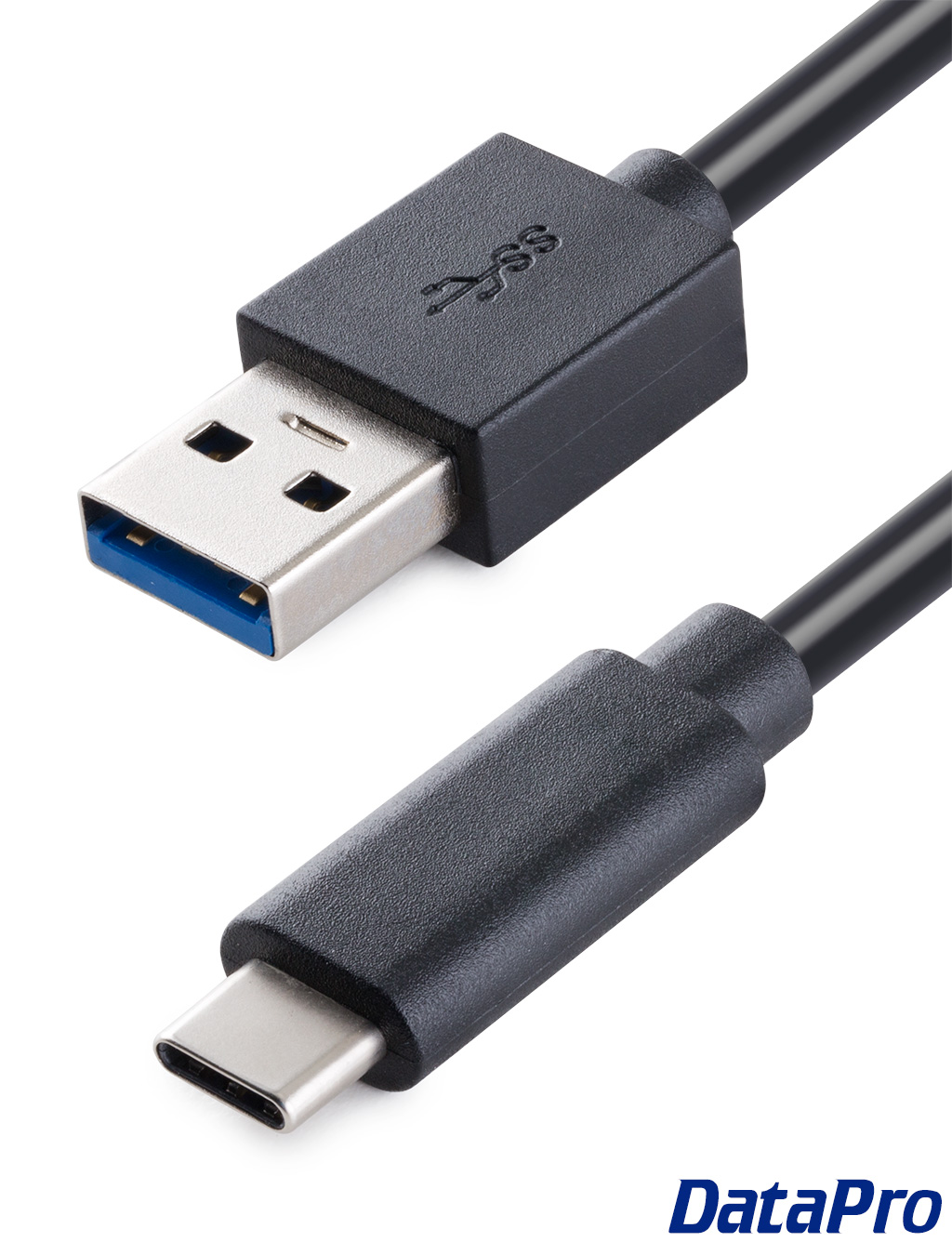
The Rise of USB-C: How One Connector Changed the Tech Landscape
The advent of USB-C has revolutionized the way we connect devices, ushering in an era of universal compatibility and efficiency. Unlike its predecessors, this compact connector supports a range of functionalities including data transfer, video output, and power delivery, all through a single cable. This has led to a notable reduction in the number of cables and ports needed for different devices. As technology advances, the adoption of USB-C across various platforms and devices, from smartphones to laptops, continues to grow, streamlining user experience and minimizing clutter.
Furthermore, the impact of USB-C extends beyond just connectivity; it has sparked an industry-wide shift towards standardized technology. Major tech companies have embraced this connector, leading to a proliferation of available products and accessories. According to industry reports, the USB-C market is expected to expand significantly in the coming years, driven by its versatility and the push for a more sustainable approach to electronic devices. As this connector becomes the norm, it exemplifies how innovative technology can transform not only our everyday gadgets but also the entire tech landscape.
Counter-Strike is a popular first-person shooter game that has captivated millions of players worldwide since its initial release. With its focus on team-based gameplay and tactical strategy, it has become a staple in the esports community. For gamers looking to enhance their experience, considering Top 10 external monitors for mac can significantly improve visuals and gameplay responsiveness.
Top 5 Benefits of Switching to USB-C for All Your Devices
Switching to USB-C for all your devices offers a multitude of benefits, starting with universal compatibility. Unlike previous charging standards, USB-C is designed to work across a wide range of devices, from smartphones and laptops to tablets and accessories. This means you can carry a single type of charger and cable for all your gadgets, significantly reducing clutter and enhancing convenience. Not only does this streamline your tech setup, but it also simplifies finding replacements or sharing chargers with friends and family.
Another significant advantage is the faster charging and data transfer capabilities that USB-C technology provides. Many USB-C cables support power delivery, allowing your devices to charge more quickly than traditional USB connections. This is particularly beneficial for users who are often on the go and need their devices charged in a hurry. Furthermore, with data transfer speeds reaching up to 40Gbps with the right cable, you can quickly move large files between devices, enhancing your productivity and making your digital life more efficient.
Is USB-C the Future of Connectivity? Exploring Its Potential and Challenges
The fast-evolving landscape of technology has increasingly pointed towards USB-C as a pivotal player in the future of connectivity. Known for its versatility, USB-C supports various protocols including data transfer, power delivery, and video output, all through a single cable. This has led to its widespread adoption across multiple devices like smartphones, laptops, and tablets. As manufacturers prioritize streamlined solutions, USB-C offers the potential to simplify our electronic ecosystems, reducing cable clutter while enhancing user convenience. According to recent studies, over 50% of new devices launched in the past year have incorporated USB-C technology, signaling a clear trend towards a standardized approach in connectivity.
However, the transition to USB-C is not without its challenges. One of the key hurdles is the compatibility with existing technologies, as many consumers still rely on older USB standards. This fragmentation can create confusion and might lead to a slower adoption rate among users who are reluctant to abandon their current peripherals. Moreover, while USB-C has the potential to unify connections, the varying quality of cables and implementations across brands can raise concerns over device safety and performance. As we explore whether USB-C truly represents the future of connectivity, addressing these challenges will be essential for achieving a seamless and efficient transition.