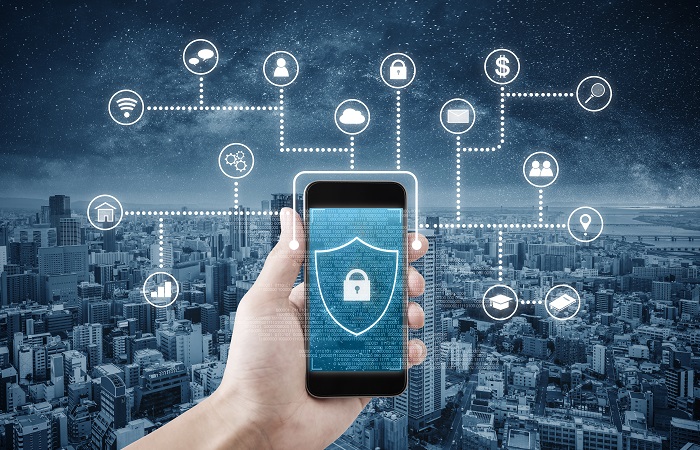
Understanding Mobile Threats: What You Need to Know
As mobile technology continues to evolve, understanding mobile threats becomes increasingly crucial for users and businesses alike. Mobile devices have transformed the way we communicate, work, and access information, but this convenience comes with significant risks. Mobile threats can take various forms, including malware, phishing attacks, and unsecured Wi-Fi connections, which can compromise user data and privacy. To safeguard your devices and personal information, it's vital to stay informed about these risks and implement effective security measures.
One of the most common mobile threats is malware, which can infiltrate devices through malicious apps or websites. Users should only download applications from reputable sources and regularly update them to patch security vulnerabilities. Additionally, employing strong password practices and utilizing two-factor authentication can help protect sensitive information. To combat phishing attempts, always verify the authenticity of messages and links before clicking on them. By understanding these key aspects of mobile threats, individuals can better equip themselves to maintain their digital security.
Counter-Strike is a popular multiplayer first-person shooter game that has captivated gamers since its release. Players can join either the terrorist or counter-terrorist teams, competing to complete objectives or eliminate the opposing team. For players looking to protect their gaming devices, check out the Top 10 iphone privacy screen protectors to ensure their privacy while gaming on the go.
7 Signs Your Mobile Device is Compromised and How to Fix It
In today's digital age, our mobile devices serve as essential tools for communication, work, and entertainment. However, it's crucial to remain vigilant, as there are 7 signs your mobile device is compromised. First, if you notice unusual battery drainage, it might indicate that malware is running in the background, consuming resources. Another red flag is unexpected pop-up ads or strange applications that you didn’t install. Additionally, if your device is running slower than usual or constantly crashing, it could be a sign of a security breach. Maintaining awareness of these symptoms is vital for protecting your personal information.
If you identify any of these signs, don’t panic; there are steps you can take to rectify the situation. Start by removing suspicious applications from your device – this is often the first line of defense. Next, ensure your operating system and applications are updated to the latest versions, as these updates often contain essential security patches. Lastly, consider installing a reputable security app to scan for and eliminate any malicious threats. By taking these proactive measures, you can ensure your device remains secure and operational.
Are You Protecting Your Data? Essential Practices for Mobile Security
In today's fast-paced digital world, ensuring the security of your mobile data is more crucial than ever. With increasing reliance on smartphones for personal and financial activities, the risk of data breaches and cyber threats looms large. To safeguard your information, adopting essential practices is a must. Consider implementing the following strategies:
- Use Strong Passwords: Ensure that your mobile devices are protected with complex passwords or biometric authentication.
- Enable Two-Factor Authentication: Whenever possible, add an extra layer of security by using two-factor authentication for sensitive accounts.
- Keep Software Updated: Regularly update your device's operating system and applications to protect against vulnerabilities.
Another vital aspect of mobile security is being cautious about the apps you download. Only install applications from trusted sources, and regularly review the permissions that apps request. Additionally, be wary of public Wi-Fi networks, as they can expose your device to potential threats. Use a reliable VPN to encrypt your internet connection and safeguard your data while on the go. Remember, the key to effective mobile security lies in being proactive. By adhering to these practices, you can significantly reduce the risk of data breaches and keep your personal information safe.