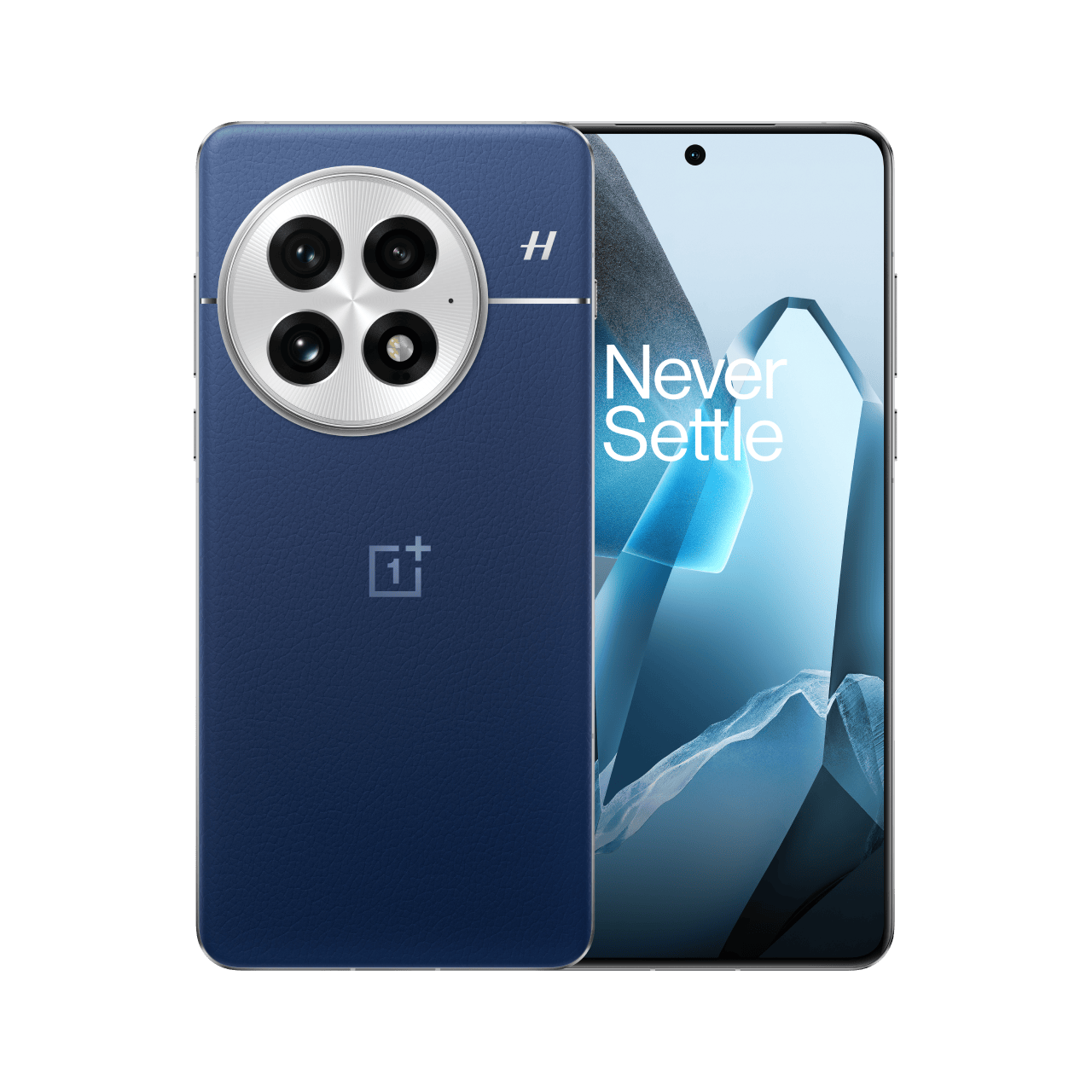
How Smartphones Have Revolutionized Communication in the Digital Age
The advent of smartphones has revolutionized communication in the digital age, fundamentally altering how we interact with one another. Unlike traditional mobile phones, smartphones offer a myriad of features that facilitate instant connectivity. From text messaging to video calls, these devices have made it possible to stay in touch with friends, family, and colleagues across the globe with just a few taps on a screen. This unprecedented level of accessibility has not only transformed personal relationships but has also enhanced professional communications, enabling real-time collaboration and decision-making in the workplace.
Additionally, smartphones have integrated social media platforms, which serve as a virtual hub for communication. People can now share experiences, graphics, and updates effortlessly. The rise of applications such as WhatsApp, Facebook, and Instagram has facilitated a new form of interaction that transcends geographical boundaries. As a result, individuals and businesses alike can engage with audiences more effectively, making marketing strategies more robust and interactive. In summary, smartphones have become essential tools that have reshaped the landscape of communication in our increasingly interconnected world.
Counter-Strike is a popular series of multiplayer first-person shooter games that pits teams of terrorists against counter-terrorists. Players can choose from various weapons, strategies, and maps to achieve their objectives, such as planting bombs or rescuing hostages. As the gaming community expands, players often seek to enhance their gaming experience; for instance, finding the Top 10 iPhone 16e cases can be crucial for mobile gamers looking to protect their devices.
The Essential Features of Modern Smartphones: What You Need to Know
In today's fast-paced digital landscape, modern smartphones are equipped with a myriad of features that cater to the needs of tech-savvy users. Some of the essential features include powerful processors that enable seamless multitasking, high-resolution displays for immersive viewing experiences, and advanced camera systems that allow users to capture stunning photos and videos. Furthermore, most smartphones come with 5G connectivity, providing lightning-fast internet access and lower latency for streaming, gaming, and browsing. The battery life has also improved significantly, with efficient power management systems allowing users to stay connected throughout their busy days.
Another critical aspect of modern smartphones is the incorporation of security features such as biometric authentication, including fingerprint scanners and facial recognition technology. These features not only enhance user privacy but also protect sensitive information from unauthorized access. Additionally, many smartphones now offer AI-driven features that personalize the user experience, from smart assistants that respond to voice commands to camera modes that automatically optimize settings based on the environment. Understanding these essential features will help you make informed decisions when choosing the right smartphone that meets your specific needs.
Are Smartphones Making Us Smarter or More Distracted?
In today's fast-paced digital world, the debate over whether smartphones are making us smarter or more distracted has become increasingly relevant. On one hand, smartphones offer us immediate access to vast amounts of information and educational resources. The ability to search for knowledge at our fingertips and utilize handy applications for learning can enhance our cognitive skills and facilitate continuous education. For instance, educational apps and podcasts have surged in popularity, allowing users to engage in self-improvement and broaden their horizons while on the go. Furthermore, the convenience of communication fosters connections that can lead to intellectual discussions, potentially making us smarter.
However, the other side of the argument highlights the potential for smartphones to create significant distractions that detract from our ability to focus. Notifications from social media, games, and messaging constantly vie for our attention, leading to decreased productivity and cognitive overload. Research shows that frequent distractions from smartphones can impede our thinking processes and reduce our ability to carry out complex tasks. Many users find themselves scrolling mindlessly through feeds instead of engaging in activities that could enhance their knowledge, raising essential questions about our dependency on these devices. Ultimately, the answer may lie in finding a balance that allows us to leverage the benefits of smartphones while minimizing their disruptive effects.