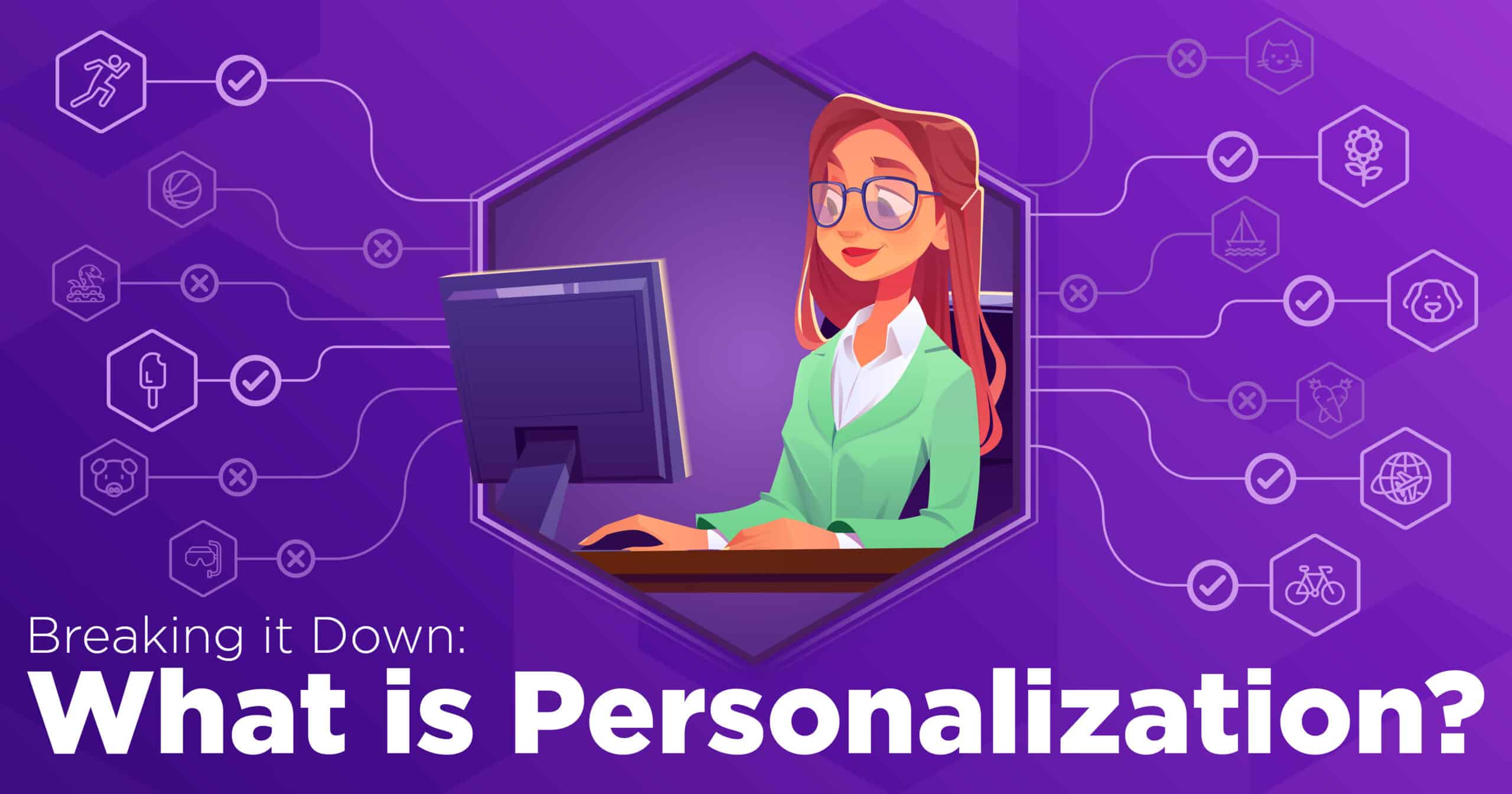
The Power of Personalization: Why Standing Out Matters
The power of personalization in today’s digital landscape cannot be overstated. In a world where consumers are inundated with countless brands and messages, standing out has become crucial for businesses aiming to capture attention and foster loyalty. By tailoring content and experiences to meet the unique needs and preferences of individual users, brands can forge deeper connections and drive higher engagement rates. Statistics show that personalized marketing can lead to significantly increased conversion rates, with many consumers expressing a preference for tailored content over generic messaging.
Moreover, in an era where users are seeking more meaningful interactions, personalization allows brands to differentiate themselves from competitors. It is no longer enough to simply offer a great product; businesses must also demonstrate their understanding of their audience. This can be achieved through various methods, such as using targeted emails, recommending products based on previous purchases, or implementing dynamic website content that speaks directly to the visitor's interests. By embracing these strategies, brands not only enhance customer satisfaction but also build brand loyalty that lasts, making standing out not just a goal, but a necessity.
Counter-Strike is a popular series of multiplayer first-person shooter games where players assume the roles of either terrorists or counter-terrorists. The game's competitive nature has made it a staple in the esports community, with numerous tournaments and leagues worldwide. Players rely on teamwork, strategy, and precise aiming to succeed in various game modes, constantly evolving their skills to outsmart and outplay their opponents. For those looking to protect their AirPods while gaming, check out the Top 10 Hard Shell Cases for AirPods to keep your devices safe.
5 Innovative Ways to Personalize Your Brand Experience
In today's competitive marketplace, personalizing your brand experience is more important than ever. One innovative way to achieve this is through the use of data-driven marketing strategies. By analyzing customer behavior and preferences, brands can tailor their messaging and offers to resonate more with individual consumers. For example, using personalized email campaigns can significantly improve engagement rates and conversion, as customers feel more valued when they receive content that speaks directly to their interests.
Another effective method is implementing interactive elements on your website or social media channels. Features such as quizzes, polls, or customizable product options allow customers to engage with your brand in a more meaningful way. This not only enhances their experience but also fosters a deeper connection to the brand. Additionally, leveraging user-generated content, such as testimonials or customer reviews, can further amplify the sense of personalization, making your audience feel seen and appreciated.
Is Personalization the Key to Customer Loyalty?
In today's competitive marketplace, personalization has emerged as a crucial strategy for fostering customer loyalty. By tailoring experiences and communications to meet the unique preferences and needs of individual customers, brands can create a strong emotional connection. Studies show that businesses leveraging personalization see up to a 20% increase in customer engagement, which directly correlates to improved retention rates. When customers feel seen and valued, they are more likely to return, making personalization a key driver of loyalty.
Moreover, personalization goes beyond mere customer service; it actively involves understanding customer behavior and preferences, allowing brands to offer targeted promotions and relevant product recommendations. According to recent surveys, around 72% of consumers only engage with marketing messages tailored to their interests. As businesses increasingly adopt data-driven strategies, personalization has become not just a trend but a necessary approach for any brand seeking to cultivate long-lasting customer relationships. The question is no longer if a business should invest in personalization, but rather how effectively they can implement it to create meaningful customer loyalty.