The Lifespan of Lightning Cables: How to Maximize Their Durability
Lightning cables are a vital accessory for Apple devices, providing both charging and data transfer capabilities. However, they are subject to wear and tear over time, which can lead to reduced performance and the need for replacements. To maximize the durability of your lightning cables, it is crucial to handle them with care. Always avoid pulling the cable from its plug and instead, grasp the connector to minimize stress on the wiring. Additionally, consider utilizing cable management solutions, such as ties or clips, to keep your cables organized and prevent tangling.
Another effective way to extend the lifespan of your lightning cables is by a proper storage technique. When not in use, always coil your cables loosely rather than tightly, as sharp bends can damage the internal wires. Furthermore, trying to keep them away from harsh environments, such as extreme temperatures or moisture, will also contribute to their longevity. Incorporating these practices into your daily routine can significantly reduce the frequency of needing replacements and ensure that your devices remain charged effectively.
Counter-Strike is a highly popular first-person shooter video game franchise known for its competitive gameplay and team-based mechanics. Players typically assume the roles of terrorists and counter-terrorists, engaging in various objective-based missions. For gamers looking to enhance their mobile experience with quick charging, you can find the Top 10 fast chargers for iPhone to keep your devices powered up during intense gaming sessions.
Lightning Cables vs. Other Charging Solutions: Which Is the Best?
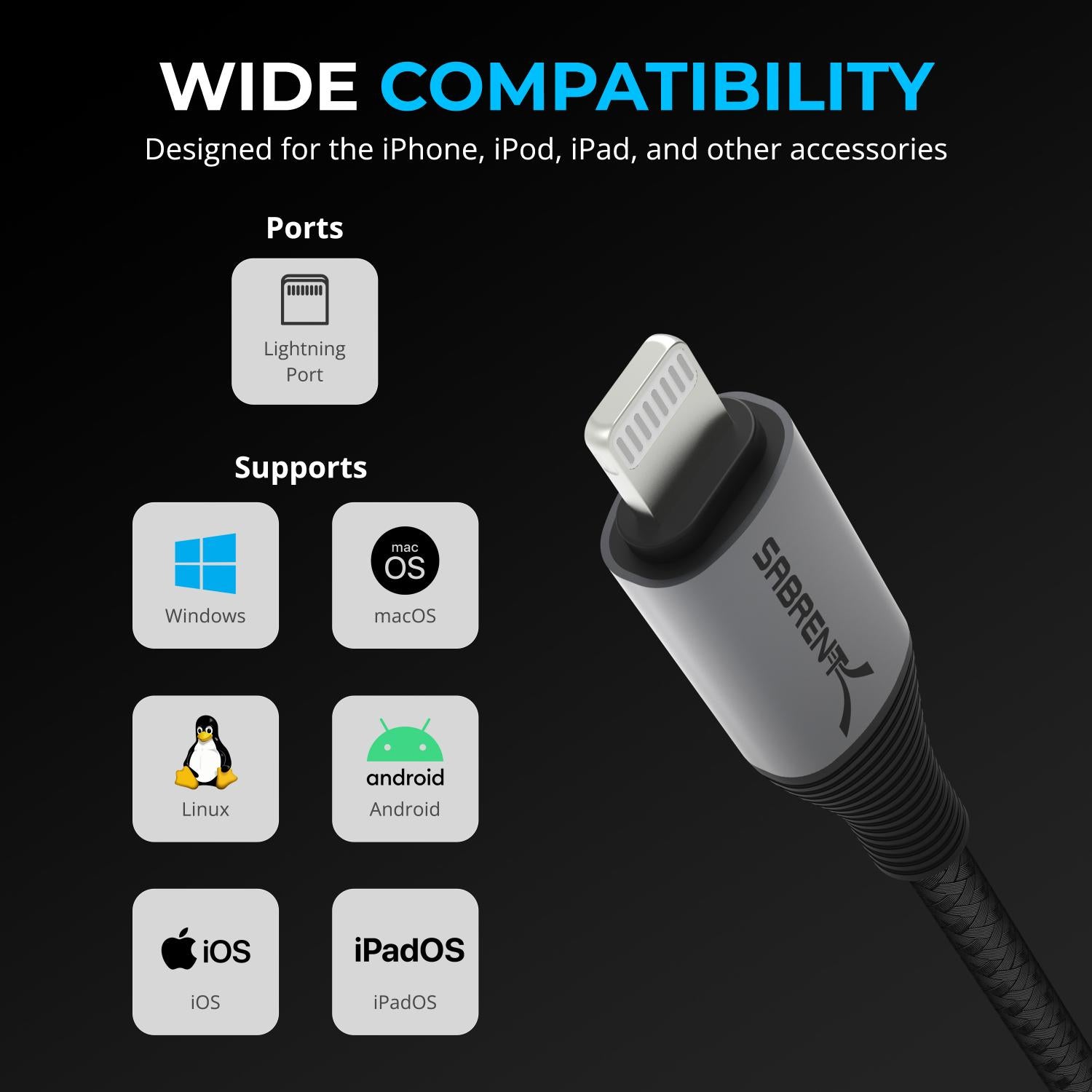
When it comes to charging solutions for devices, Lightning cables have emerged as a popular choice, particularly among Apple users. These cables are known for their efficiency and compatibility with a wide range of Apple products, including iPhones, iPads, and MacBooks. One of the standout features of Lightning cables is their reversible design, allowing users to connect the cable with ease, regardless of orientation. Additionally, the ability to support fast charging and data transfer further enhances their appeal. However, it's essential to consider alternatives like USB-C and Micro USB cables, as they also offer unique benefits and compatibility with various devices.
In comparing Lightning cables to other charging solutions, several factors come into play. For instance, USB-C is gaining traction due to its universal compatibility and versatility across multiple devices, from laptops to smartphones. Moreover, many fast charging solutions utilize this format, making it a strong contender. On the other hand, Micro USB remains widely used in older devices and offers a budget-friendly option. Ultimately, the best charging solution depends on personal needs, device compatibility, and performance requirements. Whether you opt for Lightning cables or explore alternative options, understanding the advantages of each can help you make an informed decision.
Top 5 Myths About Lightning Cables Debunked
When it comes to charging our devices, lightning cables are often shrouded in mystery and misunderstanding. One prevalent myth is that all lightning cables are the same. In reality, there are significant differences in quality, data transfer speeds, and durability. Authentic Apple lightning cables are designed to meet strict specifications, ensuring optimal performance and safety. In contrast, low-quality third-party cables may not only charge your device slowly but could also pose risks like overheating or even damaging your device.
Another myth that persists is that using a lightning cable from a third-party manufacturer will void your warranty. This is simply not true as long as the cable is certified under the MFi (Made for iPhone/iPad) program. These certified cables are tested to ensure compatibility with Apple devices, allowing you to enjoy the benefits of alternative options without any concerns. In this article, we will debunk the top 5 myths about lightning cables, helping you make informed choices about your charging options.