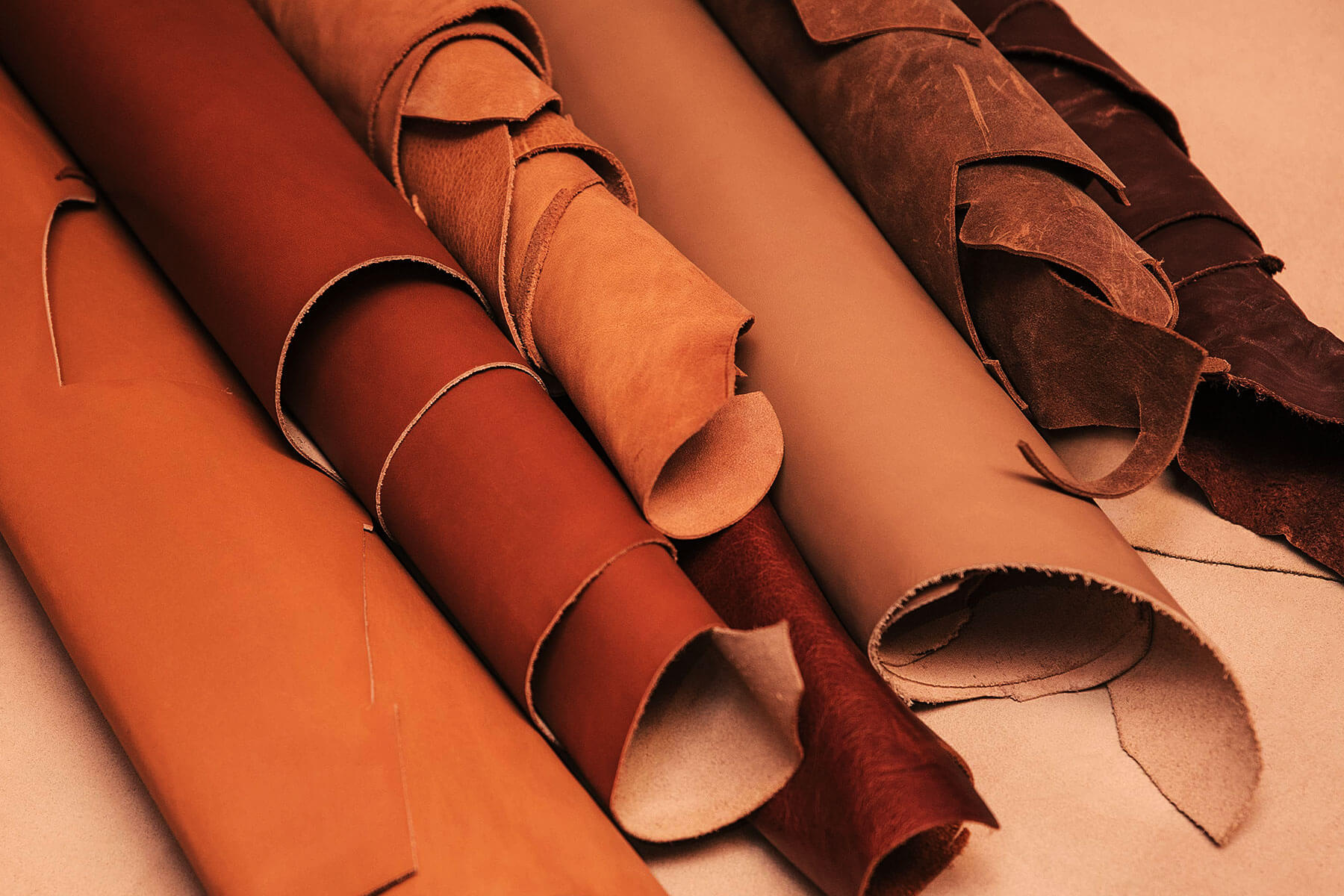
10 Surprising Ways to Incorporate Leather into Your Home Décor
Incorporating leather into your home décor can elevate the aesthetic appeal of any space. One surprising way to do this is by using leather wall art, which can serve as a striking focal point. Consider framing leather scraps or even using a leather tapestry; these pieces add texture and warmth to your walls. Another unexpected application is leather-wrapped furniture. There are options ranging from coffee tables to bar stools that feature leather accents, offering a sophisticated touch that speaks to elegance and comfort.
Additionally, integrating leather through accessories can seamlessly blend with various design styles. For instance, leather throw pillows or blankets not only enhance coziness but also introduce a rugged charm. Another creative approach is to use leather drawer pulls in your cabinets and furniture, providing a unique twist that’s both functional and stylish. Finally, consider adding a leather rug or mat, which can ground your space and add a rich layer to your flooring. These innovative methods of incorporating leather can truly transform your home décor.
Counter-Strike is a popular first-person shooter game that emphasizes team-based gameplay and strategy. Players can choose to be part of either the terrorist or counter-terrorist team, with the objective of completing missions or eliminating the opposing team. For those who enjoy customization, there are many products available, such as Top 10 Lightweight Apple Watch Bands to enhance your gaming or daily experience. With its competitive nature and vibrant community, Counter-Strike continues to be a staple in the eSports scene.
How to Upcycle Old Leather: Creative Projects You Can Try
Upcycling old leather is a fantastic way to breathe new life into worn-out items while simultaneously being eco-friendly. With a few creative projects, you can transform aged leather jackets, handbags, or scraps into functional and stylish pieces. Consider starting with leather bookmarks — a simple yet elegant addition to your reading routine. Simply cut leather into strips, punch a hole at one end, and add a decorative tassel for flair. Other projects include:
- Leather coasters: Cut out circles or squares and seal them with a water-resistant finish.
- Wallets: Use a combination of leather pieces to craft a unique, handmade wallet.
- Keychains: Fashion small leather shapes or initials to create personalized keychains.
For those who are a bit more adventurous, consider creating items that are both practical and artistic. A leather tote bag can be crafted by sewing together various pieces of leather, providing a fashionable alternative to store-bought bags. If you have a passion for home décor, think about making leather plant hangers. These can bring a chic touch to your indoor gardening while recycling leather scraps. Lastly, don’t overlook the potential of leather wall art. By cutting leather into intricate designs and mounting them on a canvas, you can create stunning pieces that reflect your personal style and commitment to sustainability.
Is Leather the Ultimate Sustainable Fabric? Exploring Its Environmental Impact
As the demand for sustainable fabrics grows, many consumers are turning to leather as a viable option. However, the environmental impact of leather production is a multifaceted issue. While leather is a natural product that can be biodegradable under certain conditions, the processes involved in tanning and finishing can release harmful chemicals into the environment. Additionally, livestock farming, which is a primary source of leather, contributes significantly to greenhouse gas emissions, deforestation, and water consumption. Acknowledging these factors is essential when assessing whether leather truly qualifies as the ultimate sustainable fabric.
On the flip side, proponents of leather argue that its durability and longevity make it a sustainable choice, especially when compared to fast-fashion alternatives that are often made from synthetic materials. Items made from leather can last for years, reducing the need for constant replacement and thereby lessening overall waste. Furthermore, leather can be sourced from animals raised for food, thereby making use of a byproduct that might otherwise go to waste. In exploring whether leather is the ultimate sustainable fabric, it's crucial to consider these benefits alongside its environmental challenges in order to make informed choices about its use in our wardrobes.