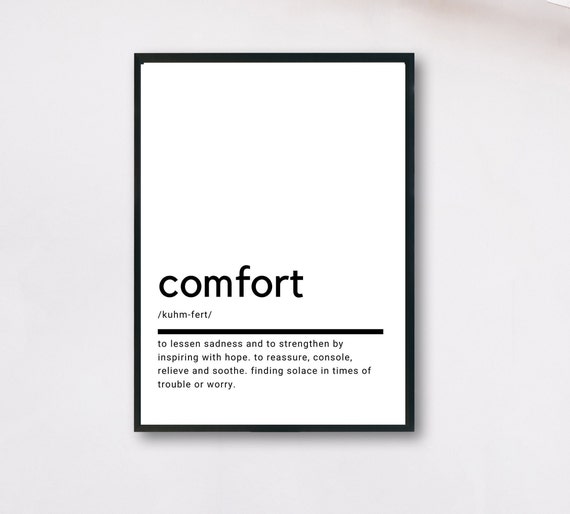
10 Simple Techniques to Alleviate Stress and Find Comfort
In today's fast-paced world, stress has become a common challenge for many individuals. To overcome this, 10 simple techniques can effectively help you alleviate stress and find comfort in your daily life. First and foremost, practicing mindfulness through meditation or deep-breathing exercises allows you to anchor your thoughts and regain control over your emotions. Secondly, engaging in regular physical activity, such as walking or yoga, releases endorphins that boost your mood and relieve tension. These initial steps can set a strong foundation for a more peaceful lifestyle.
Additionally, techniques like maintaining a balanced diet and staying hydrated are crucial for mental well-being. Incorporating herbal teas and nutritious snacks into your routine can enhance your relaxation process. Remember to also connect with loved ones, as sharing your thoughts and feelings can provide not only support but also a sense of belonging. Lastly, consider journaling your stressors to gain clarity and perspective. By implementing these 10 simple techniques, you can transform your stress into comfort and enjoy a more fulfilling life.
Counter-Strike is a highly popular first-person shooter game that has become a staple in competitive gaming. Players can choose between two teams, terrorists and counter-terrorists, each aiming to complete objectives or eliminate the opposing team. The game requires teamwork, strategic thinking, and quick reflexes, making it a thrilling experience for players. For those looking to enhance their gaming setup, check out the Top 10 apple vision pro head straps which can help improve your gaming comfort.
Understanding the Science of Stress Relief: How to Calm Your Mind
Understanding the science of stress relief requires a look into how our bodies respond to stressors. When we encounter a stressor, our body goes into a fight or flight response, releasing hormones such as adrenaline and cortisol. This physiological reaction can be beneficial in short bursts, but chronic activation can lead to various health issues, including anxiety, depression, and cardiovascular problems. To combat these effects, it's essential to incorporate effective stress reduction techniques into your daily routine. Techniques such as mindfulness meditation, deep breathing exercises, and engaging in physical activities can help calm your mind and restore balance to your body.
One of the simplest yet most effective methods for calming your mind is practicing mindfulness. Mindfulness allows you to focus on the present moment without judgment. You can start with just a few minutes a day, and gradually increase the duration as you become more comfortable. Additionally, incorporating regular physical exercise, maintaining a balanced diet, and ensuring adequate sleep plays a pivotal role in managing stress levels. Making time for hobbies and social connections can also significantly bolster your mental health, allowing you to disconnect from daily stresses and recharge your mind.
What Are the Best Practices for Managing Stress in Everyday Life?
Managing stress in everyday life is essential for maintaining overall well-being. One of the best practices includes practicing mindfulness, which allows individuals to stay present and focused, reducing anxiety about the past or future. Techniques such as deep breathing exercises, meditation, or yoga can significantly alleviate stress. Additionally, establishing a daily routine that includes time for self-care activities like reading, journaling, or engaging in hobbies can enhance mental resilience.
Another effective strategy for managing stress is to maintain a strong support system. Surround yourself with positive influences, whether it be friends, family, or support groups. Sharing your feelings and concerns with trusted individuals can provide relief and perspective that you may not have considered. Furthermore, regularly exercising and adopting a balanced diet can improve your mood and energy levels, equipping you to handle stress more effectively. Embracing these practices can lead to a healthier, more balanced life.