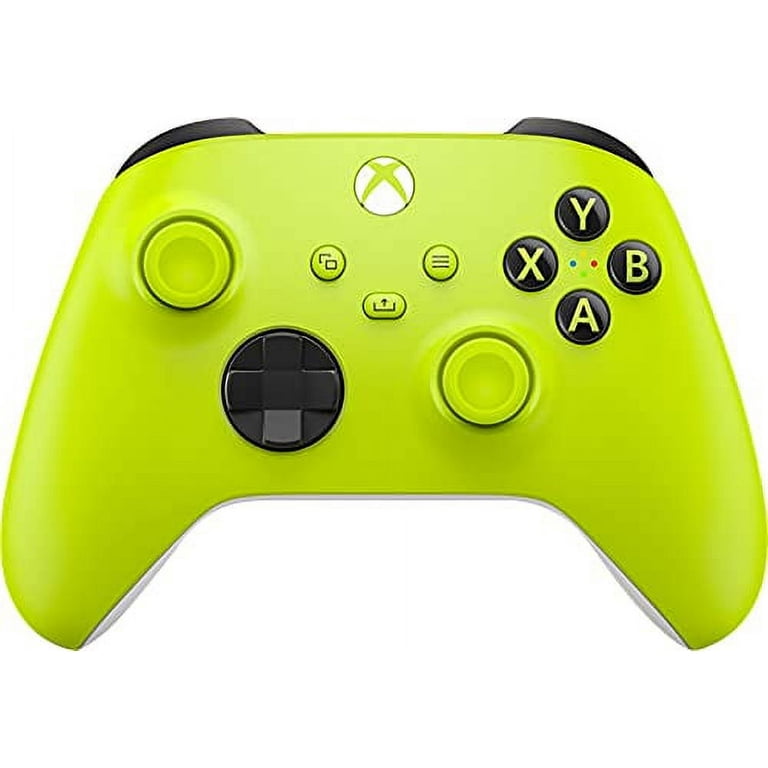
The Evolution of Gaming Controllers: From Joysticks to Motion Sensors
The journey of gaming controllers has been nothing short of revolutionary, evolving from simple joysticks to sophisticated motion sensors. In the early days of gaming, controllers typically featured a basic joystick and a few buttons. This setup allowed players to navigate through pixelated landscapes, but limited interaction. The introduction of the gamepad in the 1990s marked a significant shift, with manufacturers opting for more ergonomic designs and additional buttons, enhancing the gaming experience. Innovations like vibration feedback came into play, providing a tactile response that immersed players further into their virtual worlds.
As technology advanced, so did gaming controllers, leading to the introduction of motion sensors in the 2000s. Devices like the Nintendo Wii Remote allowed players to engage in physical gameplay, breaking down traditional barriers between the player and the game. This shift has not only changed how games are played but has also expanded the audience by appealing to casual gamers. Today, we see a blend of traditional inputs and motion-based controls, reflecting the industry's commitment to innovation. Gamers can now enjoy a diverse range of interaction styles, all built upon the legacy of past designs.
Counter-Strike is a popular first-person shooter game that has been a mainstay in competitive gaming for decades. Players are divided into two teams, terrorists and counter-terrorists, with each team working to complete various objectives. If you're looking to enhance your gaming experience, check out the Top 10 iPhone controllers that can improve your gameplay and reaction times.
How Controllers Influence Gameplay Mechanics and Player Experience
Controllers play a critical role in shaping the gameplay mechanics and overall player experience in video games. They serve as the primary interface through which players engage with the game world, translating physical movements and button presses into in-game actions. The design and layout of a controller can significantly impact how responsive and intuitive the gameplay feels. For instance, the placement of buttons and analog sticks can either facilitate quick reflexes or hinder them, affecting how players interact with challenges and enemies. An effective controller design enhances the immersion and enjoyment of the game, making it easier for players to execute complex maneuvers and strategies.
Moreover, the feedback provided by controllers, such as haptic responses and vibration, further deepens the player experience by adding a physical dimension to the interaction. When a player feels the rumble of a controller during an explosion or the tension of a racing game, it intensifies their emotional connection to the game. Additionally, innovative features like adaptive triggers and motion sensors can introduce new gameplay mechanics that keep players engaged. As a result, the evolution of controller technology is essential not only for enhancing gameplay mechanics but also for elevating the overall player experience in a meaningful way.
Are All Controllers Created Equal? Choosing the Right One for Your Gaming Style
When it comes to gaming, not all controllers are created equal. Each type of controller is designed to cater to different gaming styles and preferences, making it crucial to choose the right one for your gaming needs. For instance, traditional controllers like the Xbox or PlayStation models are perfect for players who enjoy fast-paced action games that require quick reflexes and precision. On the other hand, if you're into simulation games, you might prefer a flight stick or a racing wheel to enhance your immersive experience.
Additionally, accessories like custom grips or back paddles can greatly influence gameplay. If you're a competitive gamer, it might be worth investing in a high-end controller designed for responsiveness and ergonomics. Consider the D-Pad layout, button placement, and even the weight of the controller, as these factors can significantly impact your comfort and performance during extended gaming sessions. Ultimately, assessing your gaming style and preferences will guide you toward the ideal controller for your experience.