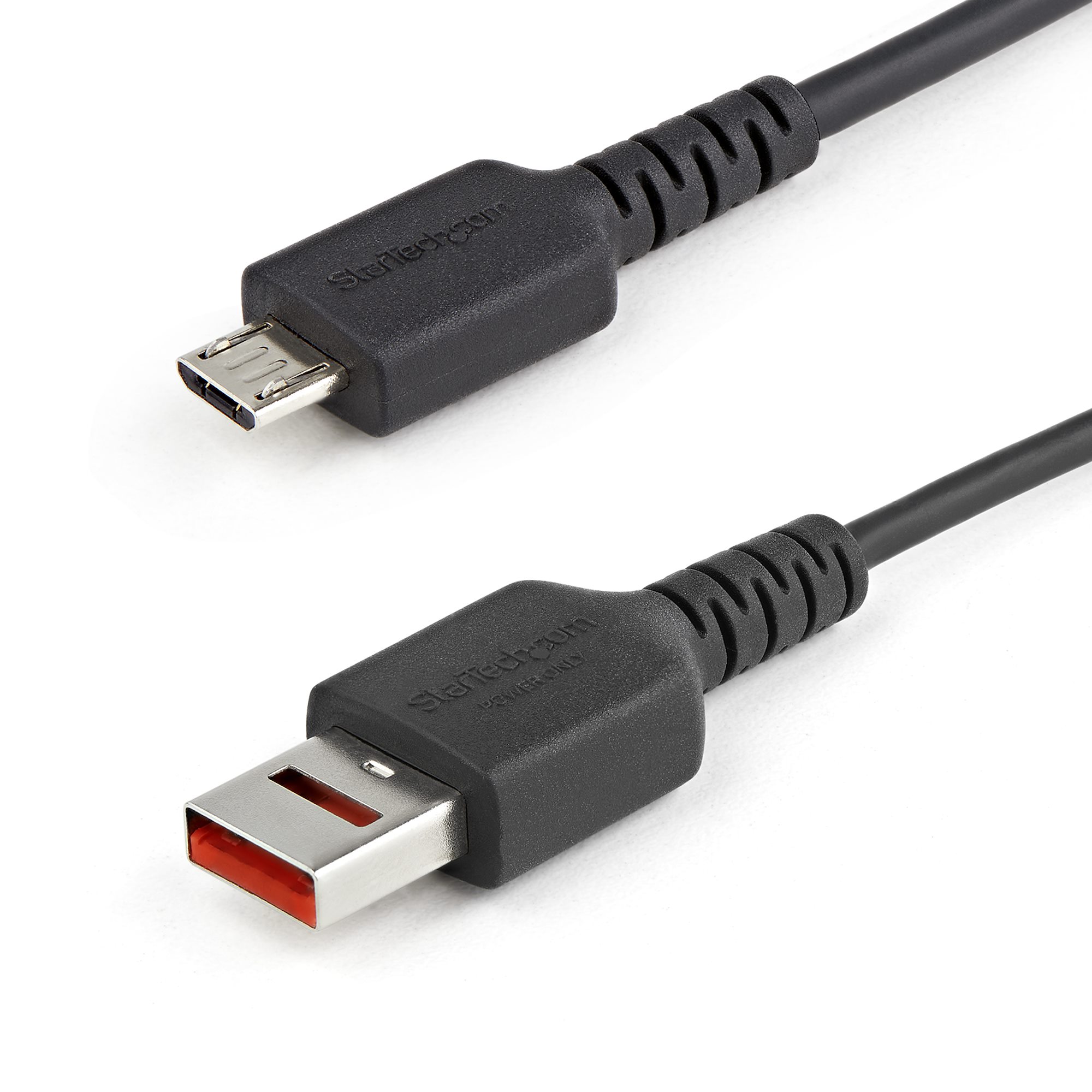
Understanding USB Connector Issues: Signs Your Charger Might Be Damaging Your Devices
When using a USB charger, it's crucial to be aware of potential connector issues that could damage your devices. Signs of a malfunctioning charger can range from physical wear on the connector to erratic charging behavior. If you notice that the connection feels loose or if the charging cable wiggles easily within the port, this may indicate wear and tear on both the charger and the device. Additionally, if your device frequently disconnects during charging, this could be a sign of a failing USB connector that might lead to further complications.
It's also essential to monitor your devices for unusual symptoms that may suggest that your charger is causing damage. Overheating is a primary concern; if your charger or device becomes excessively hot while charging, this could result in permanent damage. Other signs include inconsistent charging speeds or, in severe cases, visible signs of damage such as melting or discoloration around the USB port. If you encounter any of these issues, it may be time to replace your charger before it causes irreversible harm to your devices.
Counter-Strike is a first-person shooter (FPS) video game franchise that has gained immense popularity since its inception in 1999. Players engage in competitive matches as terrorists or counter-terrorists, aiming to complete objectives like bomb defusal or hostage rescue. For those seeking portable power solutions, check out the Top 10 Compact Travel Chargers that are essential for gamers on the go.
USB Connector Myths: What You Need to Know to Avoid Damage
When it comes to USB connectors, there are many myths that can lead to costly mistakes or even damage to your devices. One common misconception is that all USB cables are the same, which couldn’t be further from the truth. In reality, different types of USB cables serve different purposes and have varying capabilities. For instance, while a standard USB-A to USB-B cable might work for powering devices, it may not support data transfer at high speeds. Understanding the distinctions between USB types, such as USB 2.0, USB 3.0, and USB-C can help you choose the appropriate connector and avoid potential harm to your equipment.
Another myth is that it doesn’t matter which way you plug in a USB connector. However, some users still encounter issues when forcing a connection in the wrong orientation. This can lead to bending pins inside the port, causing significant damage. To prevent this, always check the orientation of the connector and avoid using excessive force. Additionally, make sure to inspect your USB ports regularly for lint or debris that could obstruct a proper connection. Adhering to these practices will not only prolong the lifespan of your USB connectors but also ensure optimal performance for your devices.
Are You Using the Right Charger? How Your USB Connector Might Be Causing Problems
Have you ever wondered if you're using the right charger for your devices? Many people underestimate the impact that a USB connector can have on their electronics. Using a charger that doesn't match the specifications of your device can lead to slow charging, overheating, or in extreme cases, damage to the battery. It's crucial to check the voltage and amperage ratings on your charger and compare them with your device's requirements. Not all USB connectors are created equal, and utilizing the wrong one can compromise the efficiency and lifespan of your technology.
Additionally, poor-quality chargers and cables can lead to inconsistent performance and might even present safety hazards. If you're frequently experiencing issues like phone disconnections or inadequate charging speed, it could be time to evaluate your USB connector. Consider opting for certified products from reputable manufacturers to ensure optimal functionality and safety. Remember, investing in the right charger not only enhances your device's performance but also prolongs its lifespan.